How Concierge Care Helps Manage Winter Flu at Home for Seniors
As winter temperatures drop, the rise of seasonal influenza, respiratory syncytial virus (RSV), and other winter pathogens creates a significant source of anxiety for families caring for aging parents.
For elderly individuals, particularly those with pre-existing medical conditions like heart disease, chronic obstructive pulmonary disease (COPD), or diabetes, a simple winter virus can quickly escalate into a severe health crisis. Traditionally, the first sign of a fever or respiratory distress meant an inevitable, stressful trip to a crowded urgent care clinic or emergency room. These waiting rooms are often filled with other symptomatic individuals, presenting a high risk of secondary infections for frail seniors with weakened immune systems. Furthermore, the physical exhaustion of traveling, combined with long wait times, can exacerbate their condition before they even see a doctor.
This is where membership-based primary care models are transforming geriatric healthcare. By prioritizing unhurried care and direct physician availability, these specialized models offer a safer, more efficient alternative to traditional healthcare pathways. Exploring the comprehensive concierge medicine benefits for seniors reveals how caregivers can leverage direct access to a dedicated physician, ensuring their vulnerable loved ones receive prompt, personalized medical attention from the safety and comfort of their own homes. This guide will explore how direct primary care models empower caregivers to navigate peak illness seasons with confidence, proactively manage winter health risks, and keep seniors safely out of crowded waiting rooms.
The Hidden Dangers of Winter Waiting Rooms for Vulnerable Seniors
During the peak of winter illness season, traditional healthcare facilities often operate at maximum capacity. While these facilities are essential for acute emergencies, they can present significant, sometimes hidden, dangers for elderly patients seeking care for early-stage viral infections. The phenomenon known as immunosenescence—the natural gradual deterioration of the immune system brought on by age—leaves seniors highly susceptible to opportunistic pathogens. When a senior visits a crowded waiting room for a suspected case of the flu, they are immediately placed in an enclosed environment circulating with numerous other viral and bacterial strains. Research suggests that nosocomial, or healthcare-associated, infections are a prominent risk in high-traffic clinical settings during the winter months.
Beyond the biological risks, the logistical and physical toll of transporting a frail senior to a clinic cannot be understated. For individuals with mobility issues, dementia, or severe fatigue, merely getting out of bed, bundling up against the cold, navigating icy walkways, and enduring a bumpy car ride can be overwhelmingly exhausting. This physical exertion can deplete the limited energy reserves an elderly patient needs to fight off their primary infection. Furthermore, the stress of unfamiliar environments and long wait times can elevate cortisol levels, potentially hindering the body's natural immune response.
Medical professionals widely recognize that keeping medically fragile patients isolated from additional contagion vectors is a foundational principle of infection control. By minimizing exposure to public spaces during peak viral seasons, caregivers can significantly reduce the risk of their loved ones contracting secondary illnesses, such as bacterial pneumonia, which often complicate primary viral infections. Opting for models that allow for initial assessments at home provides a critical layer of protection, prioritizing the patient's immediate safety and long-term recovery.
- Increased risk of secondary respiratory infections in crowded, enclosed spaces.
- Physical exhaustion and stress associated with transporting mobility-impaired seniors.
- Heightened anxiety and confusion for elderly patients, particularly those with cognitive decline.
- Delayed treatment administration due to long wait times in traditional urgent care facilities.
Understanding Immunosenescence and Viral Vulnerability
As the human body ages, its ability to produce naive T-cells and mount a rapid, robust response to novel or mutating viruses diminishes. This means that a viral load that might cause a mild inconvenience in a younger adult can lead to severe lower respiratory tract complications in a senior. Consequently, preventing exposure is just as critical as prompt treatment. Physicians emphasize the importance of creating a "protective bubble" around vulnerable seniors during flu season, a strategy that is heavily compromised when sitting in a public medical waiting area.
The Compounding Effect of Cold Weather Stress
Exposure to cold winter air during transport can trigger bronchospasms and vasoconstriction. For seniors with underlying cardiovascular or pulmonary conditions, the sudden temperature shifts experienced when traveling to a clinic can induce breathing difficulties or angina, compounding the symptoms of the viral infection they are seeking to treat. Maintaining a stable, warm environment at home while receiving medical guidance is a much safer alternative.
What Are the Core Concierge Medicine Benefits for Seniors?
Concierge medicine is a membership-based healthcare model designed to remove the structural barriers that often plague traditional, high-volume primary care. In a conventional setting, physicians are frequently required to manage patient panels of two to three thousand individuals, resulting in brief, rushed appointments that average merely ten to fifteen minutes. This assembly-line approach is particularly detrimental to elderly patients, who typically present with complex, interconnected health histories, multiple chronic conditions, and extensive medication lists.
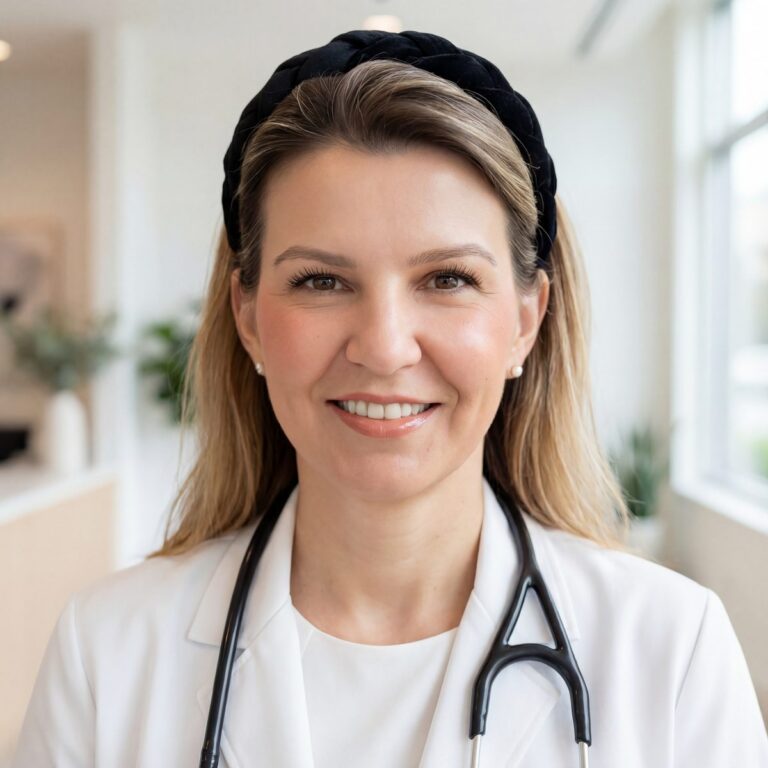
One of the most profound concierge medicine benefits for seniors is the luxury of time. Physicians practicing within this model maintain significantly smaller patient panels, allowing them to offer extended, comprehensive appointments that often last between forty-five and sixty minutes. This unhurried environment is crucial for effective geriatric care. It allows the physician to conduct thorough medication reconciliations, assess cognitive function, discuss lifestyle modifications, and truly listen to the subtle nuances of the patient's symptoms. Dr. Vuslat Muslu Erdem, a board-certified Internal Medicine physician at Kelsey-Seybold Clinic, Fort Bend Campus, emphasizes that taking the time to understand the whole patient is foundational to personalized, proactive healthcare. Patients interested in learning more about this comprehensive approach can explore Dr. Vuslat Muslu Erdem and her background in internal medicine.
Furthermore, the concierge model inherently fosters a deep, enduring physician-patient relationship. When a doctor knows an elderly patient intimately—understanding their baseline cognitive state, their typical vital signs, and their personal health goals—they are far better equipped to detect subtle deviations that might indicate the onset of an illness like the flu. This personalized familiarity reduces the likelihood of misdiagnosis and ensures that any prescribed treatments are carefully tailored to avoid adverse interactions with the patient's existing medications, a critical safety measure in geriatric medicine.
- Extended appointment times allowing for thorough evaluations and unhurried discussions.
- Smaller patient panels ensuring the physician is highly familiar with the senior's medical history.
- Comprehensive management of chronic conditions to optimize baseline health.
- Meticulous review of polypharmacy to prevent dangerous drug interactions.
Navigating Polypharmacy with Precision
Polypharmacy, the concurrent use of multiple medications, is highly prevalent among older adults. When a senior contracts the flu and requires antiviral medication or symptom-relief drugs, the risk of adverse drug interactions spikes dramatically. A concierge physician, having the luxury of time and a comprehensive understanding of the patient's exact medication regimen, can safely prescribe necessary winter flu treatments without unintentionally compromising the management of other chronic conditions.
Establishing Baseline Health for Accurate Diagnostics
Because concierge doctors see their patients frequently and for extended periods, they establish a highly accurate baseline of the patient's health. If a caregiver reports that a senior seems "slightly confused" or "more lethargic than usual" during the winter, the physician can rapidly determine if this is a baseline fluctuation or a red-flag symptom of a brewing respiratory infection, allowing for faster, more accurate interventions.
24/7 Physician Access: A Game-Changer During Peak Illness Seasons
Viruses do not adhere to standard business hours. The onset of flu symptoms—such as a sudden, high fever, severe body aches, and debilitating fatigue—often occurs late at night or over the weekend. In the traditional healthcare system, a Friday evening fever presents a difficult dilemma for caregivers: endure a potentially dangerous wait until Monday morning to call the primary care clinic, or risk the exposure and exhaustion of a late-night trip to the emergency room.
Direct, 24/7 physician access fundamentally resolves this dilemma, representing one of the most vital concierge medicine benefits for seniors. Membership-based models typically provide patients and their designated caregivers with direct communication lines to their dedicated physician or care team, including dedicated phone numbers, secure text messaging, or advanced telehealth platforms. When an elderly parent spikes a fever at 9:00 PM, the caregiver can immediately contact a doctor who already knows the patient's complex medical history. This allows for rapid, personalized triage from the comfort and safety of the senior's bed.
The speed of this intervention is particularly critical when managing seasonal influenza. Antiviral medications, which can significantly reduce the severity and duration of the flu, are most effective when administered within the first forty-eight hours of symptom onset. Through direct access, a physician can evaluate the symptoms via a telehealth consultation, determine the appropriateness of antiviral therapy, and digitally route a prescription to a 24-hour pharmacy without the patient ever needing to step outside into the cold winter air. By securing immediate medical guidance, caregivers can prevent a manageable viral infection from deteriorating into a severe complication requiring hospitalization.
- Immediate clinical triage via secure text or phone, regardless of the time or day.
- Rapid prescription of antiviral medications within the critical 48-hour efficacy window.
- Avoidance of unnecessary and exhausting late-night emergency room visits.
- Continuous monitoring and symptom tracking by a physician who knows the patient's history.
The Power of Immediate Telehealth Evaluations
Telehealth has revolutionized elder care, especially during the winter months. High-definition video calls allow the physician to visually assess the senior's breathing rate, skin pallor, and overall level of distress. While telehealth does not replace necessary in-person examinations for acute emergencies, it serves as an incredibly effective first line of defense, allowing the doctor to determine whether the patient can safely recover at home or if advanced medical intervention is truly required.
Differentiating Between Routine Colds and Severe Infections
For a frail senior, the line between a mild rhinovirus and a dangerous case of RSV or influenza can be blurry. Caregivers often struggle to assess the severity of symptoms accurately. Having an expert physician available on-demand provides authoritative medical guidance, taking the guesswork out of the caregiver's hands and ensuring that severe respiratory distress is never mistakenly dismissed as just a common winter cold.
How Proactive Health Planning Prevents Winter Complications
A hallmark of elite, membership-based healthcare is the shift from reactive medicine—treating illnesses only after they occur—to proactive health optimization. Surviving the winter flu season safely requires preparation that begins months before the first frost. Concierge physicians emphasize comprehensive, preventative strategies designed to fortify an elderly patient's immune system and stabilize underlying chronic conditions well in advance of peak illness seasons.
This proactive approach typically begins with a comprehensive annual physical or executive health exam. These extensive evaluations go far beyond basic blood pressure checks. They involve deep dives into the patient's metabolic health, cardiovascular function, nutritional status, and immune resilience. By identifying and addressing minor vitamin deficiencies (such as Vitamin D, which is crucial for immune function) or optimizing blood sugar control in diabetic patients during the summer and fall, the physician ensures the patient enters the winter season in the strongest possible biological state. To see the full scope of preventative care options available, individuals can review various services offered through concierge care models.
Furthermore, tailored vaccination strategies are a cornerstone of winter preparation. A dedicated physician will meticulously track and administer seasonal influenza vaccines, updated COVID-19 boosters, pneumococcal vaccines, and RSV immunizations based on the senior's specific risk profile and previous medical history. Unlike high-volume clinics where vaccinations might be rushed or overlooked, the concierge model ensures that every preventative measure is discussed, scheduled, and executed with precision. By managing chronic conditions optimally—such as ensuring asthma or COPD action plans are fully updated and medications are refilled—the physician creates a robust defense system that dramatically lowers the likelihood of severe complications if a winter virus is contracted.
- Comprehensive annual exams to identify and address underlying health vulnerabilities.
- Optimization of chronic disease management prior to the onset of winter.
- Personalized, meticulously tracked vaccination schedules for flu, RSV, and pneumonia.
- Nutritional and lifestyle counseling to naturally boost immune resilience.
Optimizing Respiratory Baseline Health
For seniors with existing lung conditions, winter weather is particularly treacherous. Proactive health planning involves ensuring that daily inhaler techniques are correct, prophylactic medications are optimized, and rescue medications are readily available in the home. By maximizing lung function during healthy periods, the patient has better respiratory reserves to rely on if they contract a winter pathogen.
Nutritional Interventions for Immune Support
Aging often affects appetite and nutrient absorption. A comprehensive health plan includes assessing a senior's nutritional intake. Physicians may recommend specific dietary adjustments or high-quality supplementation to ensure the patient has adequate levels of zinc, vitamin C, and vitamin D—all of which play vital roles in maintaining a highly responsive immune system during the darker, colder months.
The Caregiver’s Guide: Partnering with a Concierge Physician
Caring for an aging parent is a profoundly rewarding but often highly stressful responsibility, particularly during flu season. Caregivers, often part of the "sandwich generation" juggling careers, their own children, and their parents' needs, face immense pressure when a senior loved one falls ill. The constant worry about their parent's health, combined with the logistical nightmares of scheduling traditional doctor's appointments and managing multiple prescriptions, frequently leads to severe caregiver burnout.
Partnering with a concierge physician fundamentally shifts this dynamic, providing caregivers with a dedicated medical partner. Instead of navigating a complex, fragmented healthcare system alone, caregivers gain a "healthcare quarterback" who oversees every aspect of the senior's medical needs. When a caregiver notices the early signs of the flu—a subtle cough, an unexpected loss of appetite, or an increase in lethargy—they do not have to wait on hold with a clinic receptionist. They can reach out directly to the physician's care team for immediate guidance. This direct line of communication alleviates the crushing anxiety of medical uncertainty, providing caregivers with unparalleled peace of mind.
Moreover, the concierge model facilitates seamless, transparent communication between the doctor, the patient, and the family. Extended appointment times allow physicians to carefully explain treatment plans to caregivers, ensuring that home care instructions, medication schedules, and warning signs are thoroughly understood. If a senior requires advanced care, such as a specialist referral or, in severe cases, hospital admission, the concierge physician acts as a dedicated advocate, coordinating with hospital staff and ensuring the patient's complex medical history is accurately communicated. This level of collaborative, communicative care transforms the caregiving experience from one of constant crisis management to one of supported, proactive health stewardship. Families ready to explore how this model can support their specific needs should schedule an appointment to discuss personalized care strategies.
- Significant reduction in caregiver anxiety and burnout through direct medical support.
- Streamlined communication and clear, detailed home-care instructions.
- A dedicated medical advocate to coordinate complex care and specialist referrals.
- Reclaiming valuable family time previously lost to clinic waiting rooms and administrative hurdles.
Alleviating the Burden of Medical Decision-Making
Caregivers frequently face agonizing choices regarding whether a symptom warrants emergency care. Having a trusted physician on speed dial removes the burden of making high-stakes medical decisions without professional input. The doctor provides authoritative, personalized advice based on a deep understanding of the patient, allowing the caregiver to simply follow expert instructions.
Coordinated Care During Hospitalizations
In the unfortunate event that a winter flu escalates and requires hospitalization, the concierge physician remains actively involved. They communicate directly with the hospital's attending physicians, ensuring that the senior's complex medical background, baseline cognitive state, and exact medication list are known, preventing dangerous medical errors during transitions of care.

Conclusion
Winter flu season presents undeniable risks for elderly individuals, but navigating these months does not have to be defined by fear and stressful visits to crowded waiting rooms. The concierge medicine benefits for seniors are clear: by offering unhurried appointments, comprehensive proactive health planning, and crucial 24/7 direct physician access, this model empowers families to manage winter illnesses safely and effectively from the comfort of home. Transitioning from a reactive healthcare approach to a proactive, highly personalized medical partnership ensures that vulnerable seniors receive the swift, dedicated attention they need to maintain their health and independence.
Protecting aging loved ones requires more than just reacting to symptoms; it requires a dedicated, continuous partnership with a physician who deeply understands their unique health profile. By prioritizing direct access and comprehensive care, families can navigate even the harshest winter seasons with confidence and peace of mind.
To learn more about how membership-based primary care can protect your elderly loved ones this winter, consult your healthcare provider or speak with a board-certified physician about direct care models today.
*Concierge medicine is a model of care delivery. This content is for informational purposes only, is not a substitute for professional medical advice, and does not guarantee specific health outcomes. Individual results vary.*
Frequently Asked Questions
What makes concierge medicine different for seniors during flu season?
Concierge medicine provides seniors with direct, 24/7 access to their dedicated physician. Instead of waiting days for an appointment or sitting in crowded, contagious urgent care waiting rooms, patients can often receive immediate telehealth evaluations and prompt prescriptions for antiviral medications from the safety of their own homes.
Can a concierge doctor prescribe flu medication without an in-person visit?
Yes, in many cases. If the physician has an established relationship with the patient and can conduct a thorough telehealth evaluation, they may prescribe antiviral medications (like Tamiflu) or other symptom-relief treatments digitally, provided it is clinically appropriate and safe for the patient's specific condition.
How does proactive health planning help seniors avoid winter viruses?
Proactive health planning involves optimizing a senior's underlying health before winter arrives. This includes comprehensive exams to ensure chronic conditions (like diabetes or COPD) are well-managed, addressing nutritional deficiencies to boost the immune system, and meticulously scheduling seasonal vaccinations for flu, RSV, and pneumonia.
Is telehealth actually effective for elderly patients?
Telehealth is highly effective when utilized by a physician who already knows the senior's comprehensive medical baseline. It allows the doctor to visually assess the patient, discuss symptoms with caregivers in real-time, and make rapid triage decisions, preventing unnecessary travel while ensuring prompt medical attention.
Does Medicare cover the costs of concierge medicine for seniors?
Typically, the annual or monthly membership fee for concierge medicine is not covered by Medicare. However, Medicare continues to cover medical services, lab tests, vaccinations, and specialist visits just as it would in a traditional healthcare setting. Patients should consult with specific providers regarding billing structures.
Concierge medicine is a model of care delivery. This content is for informational purposes only and does not guarantee specific health outcomes.